

ODM vs OEM: Key Differences in Manufacturing
When you start sourcing products globally, you will quickly encounter two terms. These terms are OEM and ODM. Many companies use these manufacturing models across various industries. However, people often misunderstand them or use them interchangeably.
Understanding the differences between OEM and ODM is critical for your business. The model you choose affects product ownership. It impacts your customization possibilities and your development costs. It also determines your lead times and intellectual property protection. Ultimately, this choice shapes your long-term business growth.
In this document, we will explain OEM and ODM in detail. We will compare their advantages and disadvantages. We will also explore how they apply to fabric bag production. From what we’ve seen in the market, having this clarity helps you determine which model best suits your strategy. Let’s look at how to navigate the ODM vs OEM decision.
What Is OEM Manufacturing?
Definition of OEM
OEM stands for Original Equipment Manufacturer. In this model, the factory produces items exactly according to your specifications. You own the design. The factory simply executes your vision. They provide the labor, machinery, and facility.
How OEM Manufacturing Works
If you choose OEM, you must provide everything the factory needs to start. This includes tech packs, material specifications, and design files. The factory reviews these details. They might suggest minor production adjustments. After that, they source the materials and build the product. You retain full rights to the final product.

Key Characteristics of OEM Manufacturing
The OEM model has several defining features that separate it from other methods.
- Customer owns the product concept: You hold all the rights to the idea.
- Customer provides specifications: You supply the exact technical requirements.
- Factory executes: The manufacturer produces strictly according to your requirements.
- High customization: You control every detail, from fabric to stitching.
- Brand control: You maintain absolute control over product quality and branding.
Common Industries Using OEM Manufacturing
Many sectors rely heavily on OEM to maintain brand uniqueness.
- Apparel and fashion
- Fabric bags and accessories
- Promotional products
- Consumer goods
- Electronics and hardware
Choosing the right OEM bag manufacturing partner can significantly impact product quality, lead times, and supply chain stability. Learn more about OEM services, customization options, and supplier capabilities in our complete guide.
Read more: OEM Bag Manufacturing Service
What Is ODM Manufacturing?
Definition of ODM
ODM stands for Original Design Manufacturer. In this model, the factory creates and owns the product design. You act as the buyer. You select a pre-designed product from their catalog. You then ask them to apply your logo or brand name to it.
How ODM Manufacturing Works
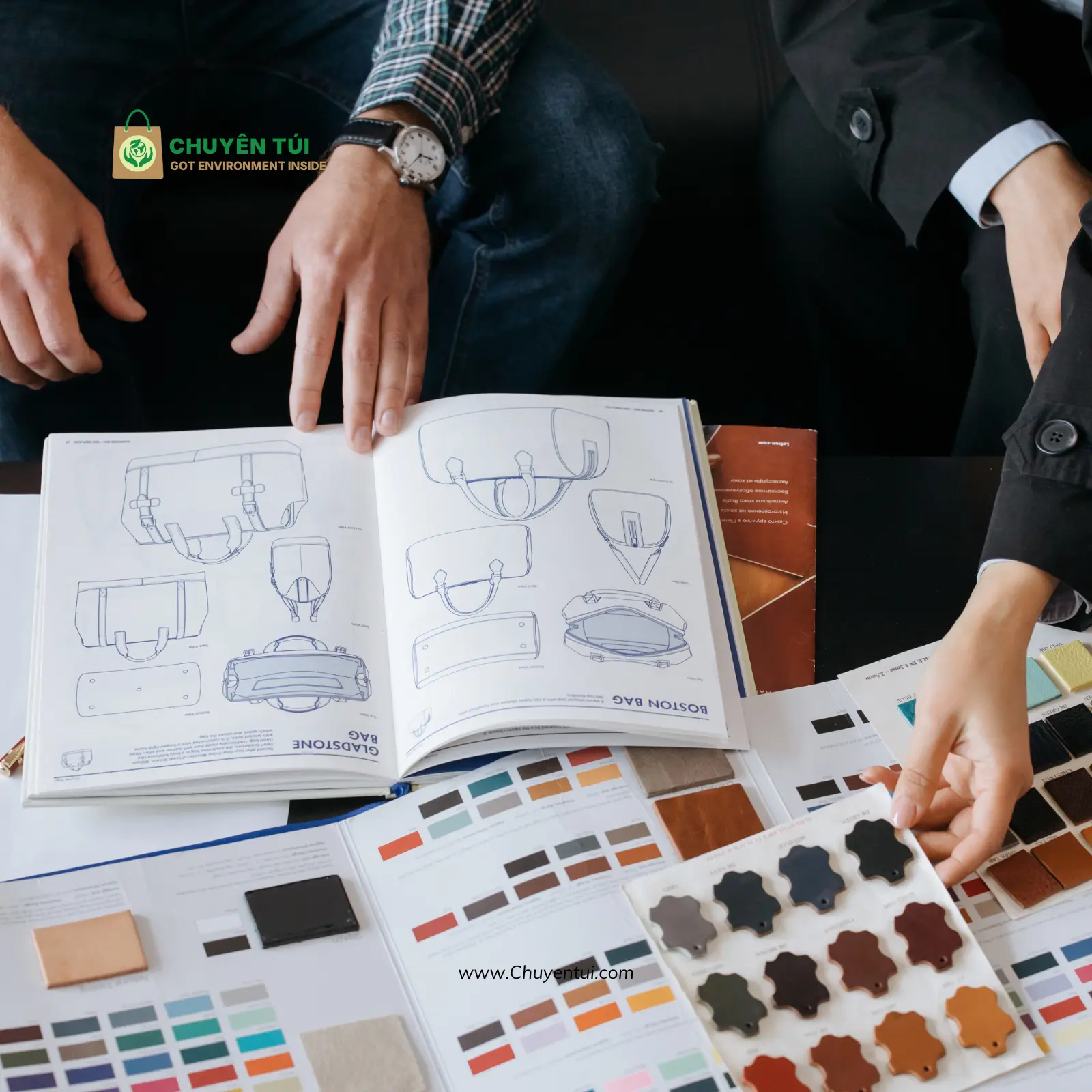
When you work with an ODM factory, you skip the research and development phase. The factory has already tested the materials. They have already created the patterns. You review their existing samples. You might request minor changes, like a different color or a custom label. The factory then produces the order.
Key Characteristics of ODM Manufacturing
The ODM approach is very different from OEM. Here are the main traits.
- Manufacturer develops the product: The factory owns the initial design and pattern.
- Buyer selects and customizes: You choose existing designs and add your branding.
- Faster product launch: You bypass the lengthy development and prototyping stages.
- Lower development costs: You do not pay for custom patterns or unique molds.
- Limited customization: You cannot change the core structure of the product.
Common Industries Using ODM Manufacturing
Industries that need fast turnaround times often use ODM.
- Fashion accessories and trend items
- Promotional bags for events
- Basic household products
- Generic consumer goods
OEM vs ODM in Fabric Bag Manufacturing
Understanding ODM vs OEM is easier when we look at a specific industry. Let us examine how these models work in fabric bag production.
How OEM Applies to Fabric Bag Production
When you use OEM for fabric bags, you dictate everything. You choose the exact weight of the canvas. You select the specific dye color based on a Pantone code. You define the handle length and the stitching style. You might even design custom inner pockets. The factory builds this exact bag exclusively for you.
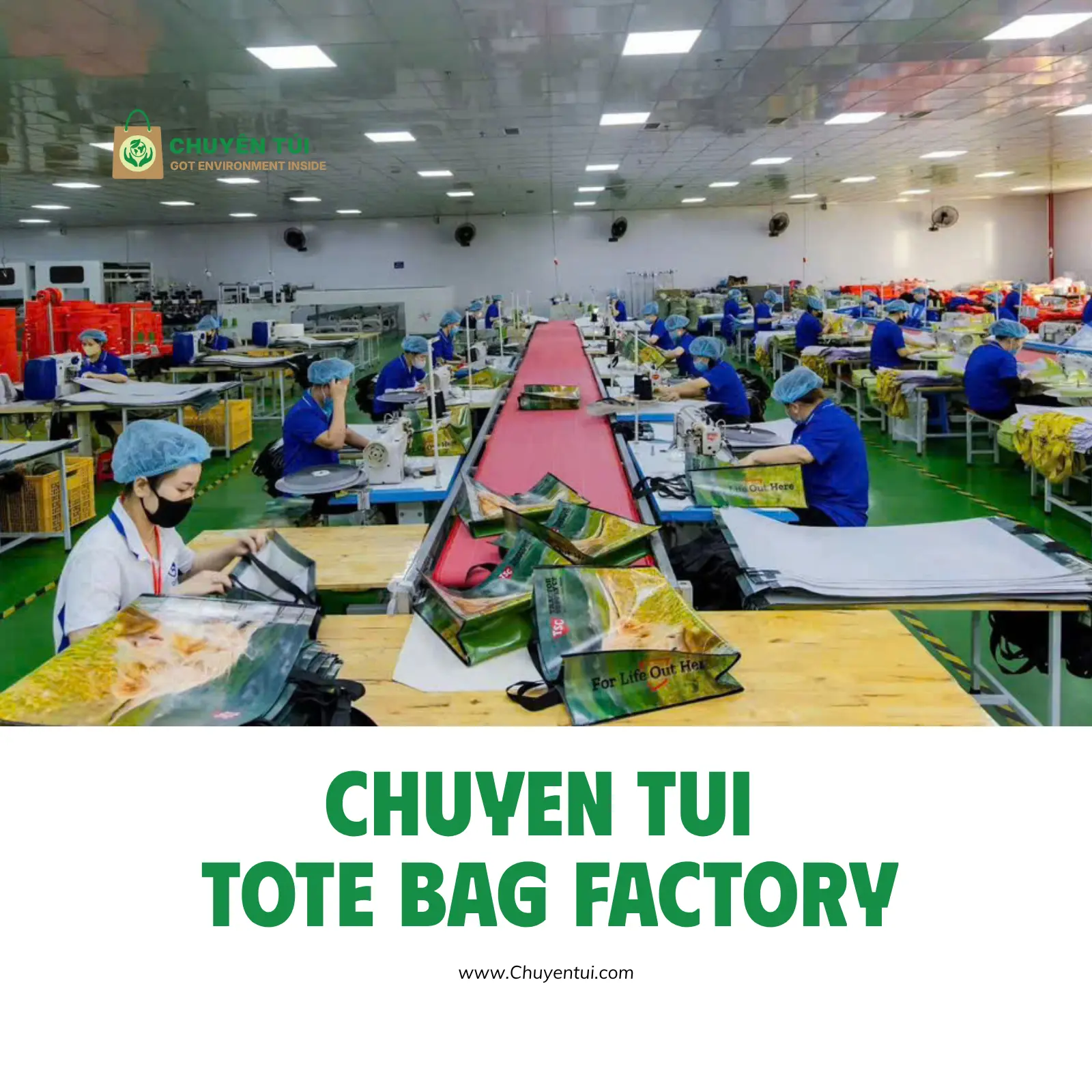
Typical OEM Process for Fabric Bags
The process requires close collaboration between you and the factory.
- Concept development: You finalize your sketches and functional requirements.
- Material selection: You choose specific fabrics, zippers, and threads.
- Prototype creation: The factory makes a first sample based on your specs.
- Sample revisions: You review the sample and request structural adjustments.
- Mass production: The factory produces the final, approved design.
Examples of OEM Fabric Bag Projects
- Custom tote bags with unique dimensions for a retail brand.
- Retail brand packaging bags that match a specific aesthetic.
- Event bags featuring complex, custom pocket layouts.
- Corporate gift bags made from specific recycled materials.
How ODM Applies to Fabric Bag Production
When applying ODM to fabric bags, you operate differently. You look at a factory’s catalog. You find a standard high-quality tote bag. It has standard dimensions and standard handles. You ask the factory to print your company logo on the front. You do not change the size or the fabric weight.
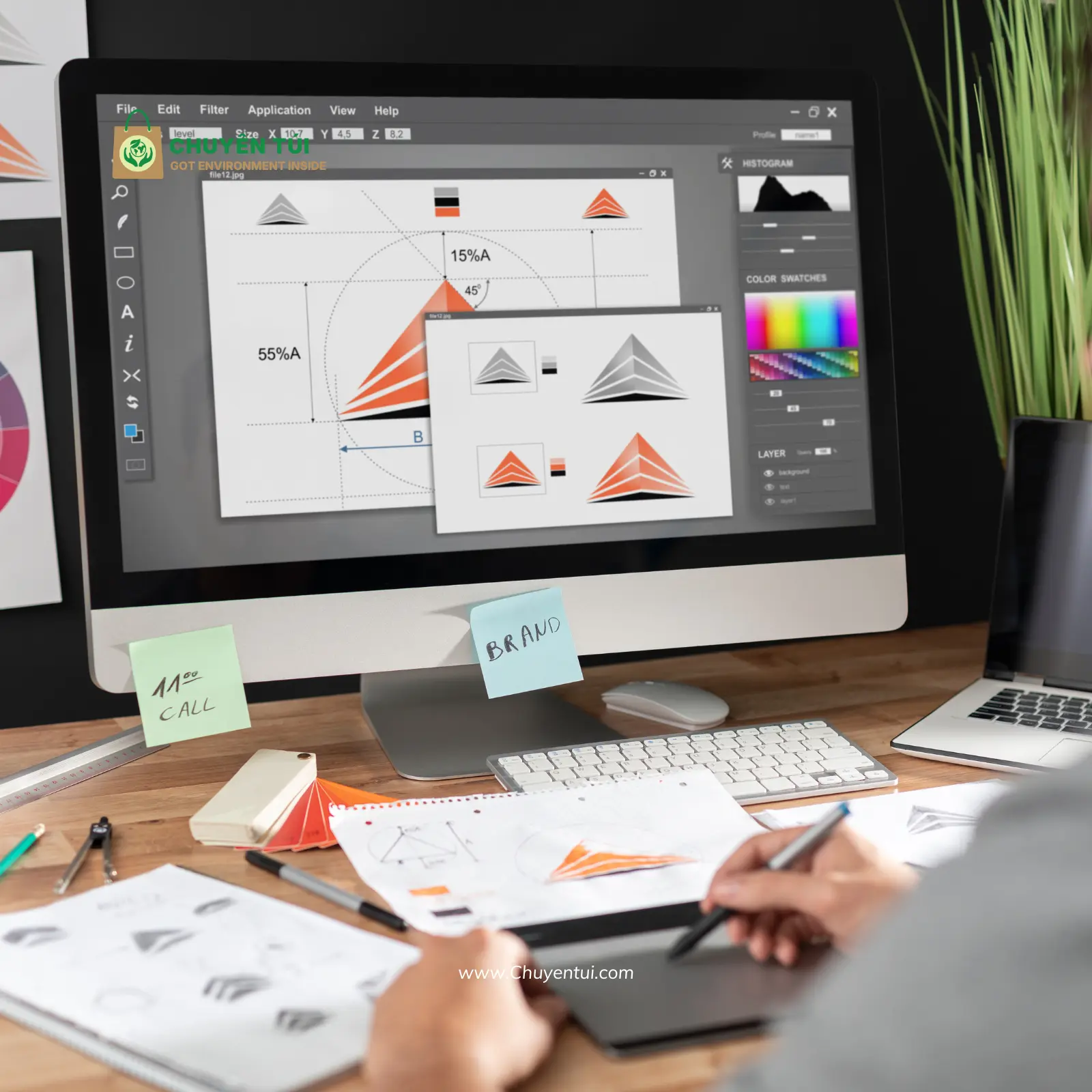
Typical ODM Process for Fabric Bags
This process is much faster and requires less input from your team.
- Selecting existing bag models: You review the factory’s current offerings.
- Minor design modifications: You choose a color from their available stock.
- Branding customization: You provide your logo file for printing or embroidery.
- Production and delivery: The factory prints your logo and ships the goods.
Examples of ODM Fabric Bag Projects
- Ready-made tote bag collections for a quick promotional campaign.
- Standard promotional bags for a trade show.
- Seasonal product launches needing fast inventory.
OEM vs ODM: Key Differences Explained
To make the right choice, you need to compare OEM and ODM directly. Let us break down the core differences.
Comparison Table
| Feature | OEM (Original Equipment Manufacturer) | ODM (Original Design Manufacturer) |
|---|---|---|
| Product Ownership | You (The Buyer) | The Factory (The Manufacturer) |
| Design Responsibility | You provide the complete design. | Factory provides the design. |
| Intellectual Property | You own the IP and patterns. | Factory owns the IP and patterns. |
| Customization Level | Extremely High. Change anything. | Low. Only surface-level changes. |
| Development Cost | Higher (Pattern making, sampling). | Lower (Using existing designs). |
| Minimum Order Quantity | Usually higher to cover custom setups. | Often lower as designs are standard. |
| Lead Time | Longer (Requires R&D and testing). | Shorter (Ready for production). |
| Product Differentiation | Very High. Your product is unique. | Low. Competitors can buy the same item. |
Analyzing the Core Differences
Product Ownership and IP: This is the biggest factor when looking at ODM vs OEM. With OEM, you own the intellectual property. Your product is uniquely yours. With ODM, the factory owns the design. They can sell the exact same bag to your competitor. They just print a different logo on it.
Customization and Control: OEM gives you total control. If you want a specific hidden zipper, you get it. If you want a reinforced bottom panel, you add it. ODM limits you. You must accept the bag structure as it is. You can only customize the visual branding.
Costs and Timelines: OEM vs ODM manufacturing timelines look very different. OEM takes time. Developing custom patterns and waiting for specific materials adds weeks to the schedule. It also costs more upfront. ODM is fast. The factory already has the materials and patterns ready. You save both time and initial setup money.
OEM or ODM: Which Manufacturing Model Should You Choose?
Deciding between OEM or ODM depends entirely on your current business goals. There is no single correct answer. It depends on your strategy.
Choose OEM If:
- You have a completely unique product concept.
- You want absolute design control over every detail.
- Brand differentiation is critical to your market position.
- Product innovation is a core part of your strategy.
- You want to build and protect long-term intellectual property.
Choose ODM If:
- You need to launch products to market very quickly.
- Your initial product development budget is strictly limited.
- Product uniqueness is less important than brand visibility.
- You are simply testing market demand for a new category.
- You need a lower-risk strategy to enter a new market.
Real Business Scenarios: OEM vs ODM Decision Guide
From what we’ve seen working with international clients, practical examples help clarify this choice. Let’s look at a few scenarios comparing OEM and ODM.
Scenario 1: A Startup Launching Its First Tote Bag Collection
A new brand wants to sell high-end canvas bags. They have a specific vision for pocket placement and strap thickness. They want to patent their unique closure system. Decision: They must choose OEM. They need total control over the design to justify their premium price point.
Scenario 2: A Marketing Agency Ordering Event Bags
An agency needs 5,000 bags for a tech conference next month. The bags just need to hold a brochure and a water bottle. The only strict requirement is a large, clear logo print. Decision: They should choose ODM. Speed and cost are more important than having a unique bag structure.
Scenario 3: An Established Brand Building Exclusive Products
A well-known clothing brand wants to add heavy-duty canvas totes to their retail stores. The bags must match their seasonal color palette perfectly. The stitching must align with their specific quality standards. Decision: They require OEM. Protecting their brand identity through exclusive, high-quality design is non-negotiable.
Scenario 4: An E-commerce Seller Testing New Products
An online seller wants to see if their audience will buy grocery bags. They do not want to spend thousands on development. They just want a basic bag to test the waters. Decision: They should use ODM. It allows them to test the market quickly with minimal upfront investment.
Advantages and Disadvantages of OEM Manufacturing
When you evaluate OEM vs ODM manufacturing, you must weigh the pros and cons of custom work.
Benefits of OEM
- Complete Product Customization: You dictate every single material, cut, and finish.
- Stronger Brand Identity: Your product physically represents your brand values.
- Better Product Differentiation: Nobody else in the market will have your exact product.
- Intellectual Property Ownership: You own the rights, protecting you from direct copycats.
- Long-Term Competitive Advantage: Unique products build stronger customer loyalty over time.
Limitations of OEM
- Higher Development Costs: You pay for pattern making, multiple samples, and custom tooling.
- Longer Lead Times: Developing a product from scratch simply takes more time.
- Complex Project Management: You must manage technical details and approve various stages.
- Greater Responsibility: If the design fails in the market, the responsibility is entirely yours.
Advantages and Disadvantages of ODM Manufacturing
Choosing ODM also comes with specific trade-offs that you must consider carefully.
Benefits of ODM
- Faster Time-To-Market: You bypass the entire R&D phase and go straight to branding.
- Lower Initial Investment: You save money on custom pattern creation and prototyping.
- Simplified Development: You only need to focus on marketing and visual design.
- Reduced Risk: The factory has already tested the product structure for durability.
Limitations of ODM
- Limited Product Uniqueness: Your product will look similar to others on the market.
- Reduced Design Control: You cannot fix structural issues; you can only change the logo.
- Market Saturation: Many competitors might be selling the exact same base product.
- Dependence on Supplier Designs: You rely entirely on what the factory decides to create.
What Types of Companies Typically Choose OEM?
Certain types of businesses naturally gravitate toward the OEM model.
Characteristics of OEM Buyers
- Established Brands: Companies with a strong market presence and defined aesthetics.
- Teams With In-House Design: Brands that employ their own product designers and technical developers.
- Differentiation Focused: Businesses that win by offering something functionally better or different.
- IP Protectors: Buyers who file patents and closely guard their product designs.
- Long-Term Players: Companies willing to invest time now for market dominance later.
What Types of Companies Typically Choose ODM?
Conversely, other business models find the ODM approach much more efficient.
Characteristics of ODM Buyers
- Startups Testing Markets: New companies looking for proof of concept without high risk.
- Trading Companies: Businesses that buy standard goods and flip them quickly.
- Promotional Distributors: Companies supplying generic merchandise for corporate events.
- Speed Prioritizers: Businesses where launching fast is more critical than exclusivity.
Risks of OEM Manufacturing
When you dive into OEM vs ODM manufacturing, you must understand the risks involved with OEM.
- Intellectual Property Risks: If you choose the wrong factory, they might steal your design. You must find a trustworthy partner.
- Development Mistakes: If your design has a flaw, the factory will still produce it. You pay for design errors.
- Supplier Capability: Not all factories can handle complex custom requests. You must verify their skills.
- Cost Overrun Risks: Custom materials often require higher minimum orders, tying up your cash.
- Communication Risks: Misinterpreting technical specs can lead to a completely wrong final product.
Risks of ODM Manufacturing
While faster, ODM carries its own set of business risks.
- Product Similarity: Your product might get lost in a sea of identical items.
- Differentiation Challenges: It is hard to build brand loyalty on a generic product.
- Dependence on Supplier: If the factory stops making that specific model, you lose your product line.
- Limited Ownership: You build no tangible asset value in the product design itself.
- Price Pressure: Since competitors have the same item, you often have to compete on price alone.
OEM vs ODM Case Study: Umo Bags as an ODM Manufacturer
To make this practical, let us look at a generalized example of an ODM approach. We will call them Umo Bags.
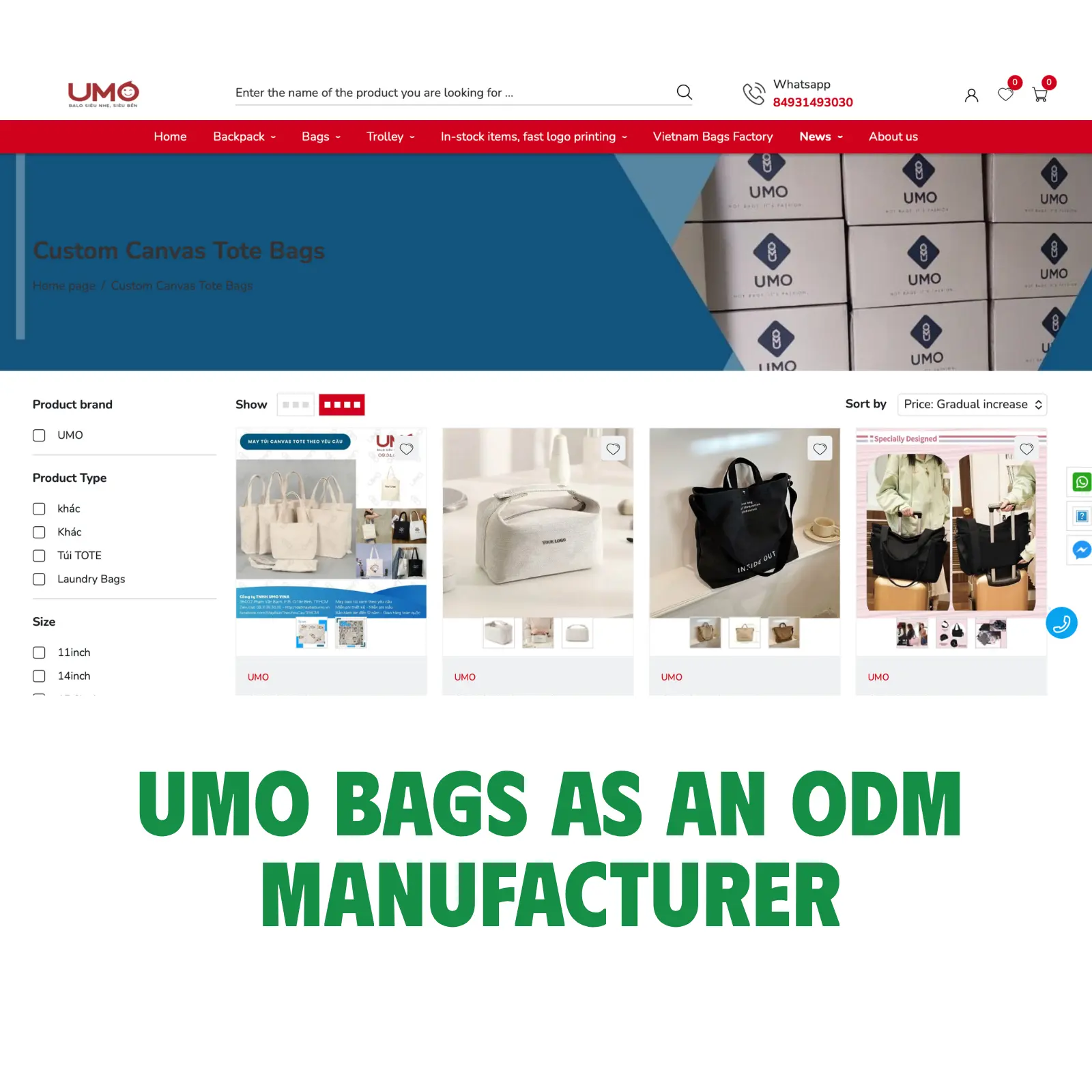
Company Overview
Umo Bags is a factory focused entirely on high-volume, ready-made products. They operate a massive facility designed for speed.
Product Development Approach
They employ an internal team to design generic, trendy bags. They create 50 standard models every year. They do not accept custom structural designs from outside brands.
Why Their Business Model Aligns With ODM
Umo Bags focuses on efficiency. By standardizing the cutting and sewing process for just 50 models, they keep costs incredibly low. Their customers simply pick a model, send a logo, and receive the goods in two weeks. This is perfect for promotional buyers, but terrible for brands seeking unique identities.
OEM vs ODM Case Study: Chuyen Tui as an OEM Manufacturer
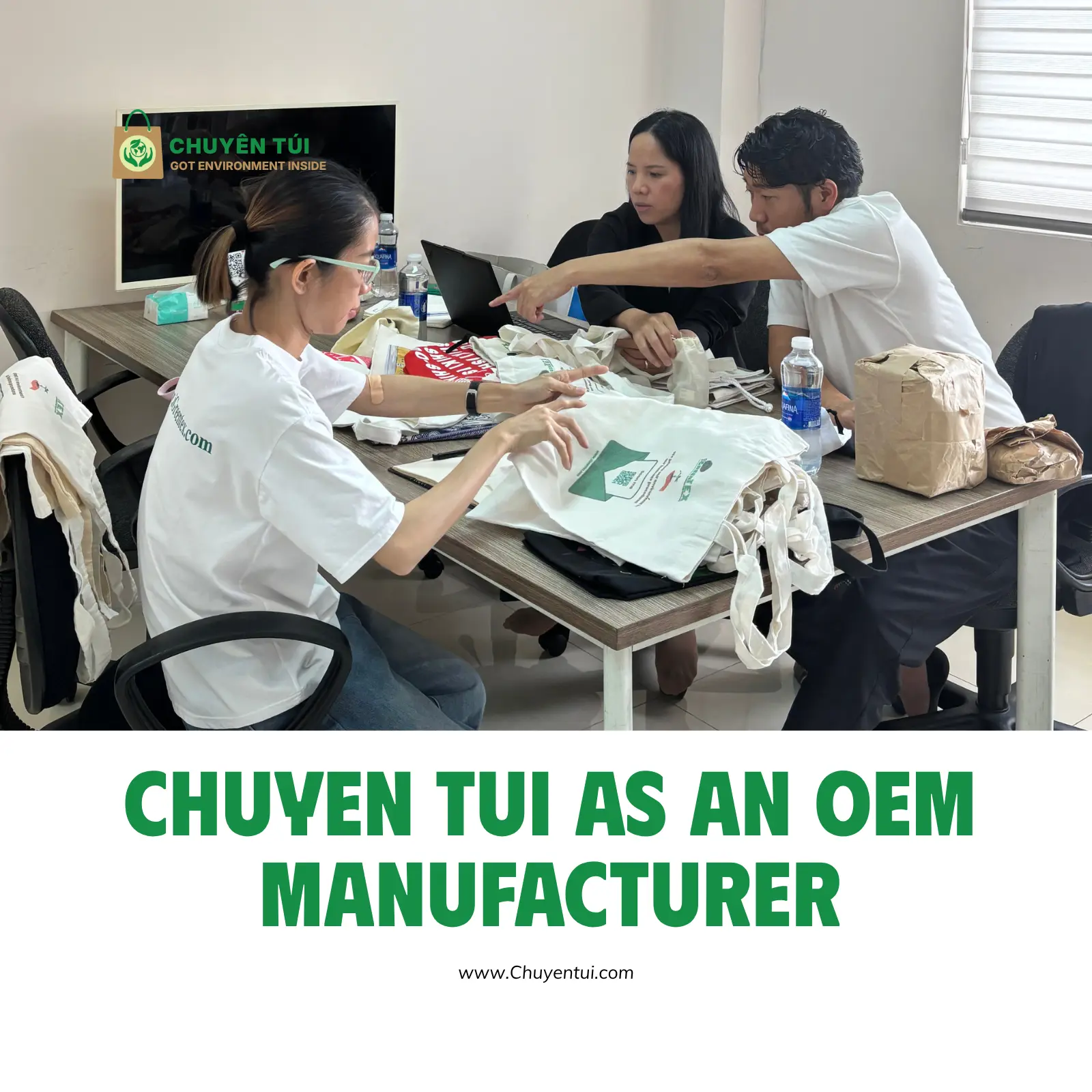
Now, let us examine a partner focused on custom development. If you are exploring Vietnam tote bag manufacturing, you will find that Chuyen Tui operates very differently.
Company Overview
Chuyen Tui is a specialized manufacturing partner in Vietnam. They focus strictly on custom fabric bag production. They do not operate a catalog of generic, ready-to-buy bags.
OEM Manufacturing Philosophy
Their core philosophy is that the customer’s vision is paramount. They act as the technical execution arm for international brands. If you bring them a sketch and a fabric requirement, their job is to engineer it perfectly.
Custom Product Development Process
When you work with a custom partner, the process is detailed. It starts with sourcing the exact fabric weight you need. It involves creating precise paper patterns based on your tech packs. It includes rigorous sampling until the physical bag matches your vision exactly.
With so many tote bag manufacturers in Vietnam, selecting the right supplier can be challenging. Learn the key factors buyers should consider before making a decision.
Read more: 5 Tips for Choosing a Tote Bag Manufacturer
Design Confidentiality Practices
In the OEM model, trust is everything. A reliable OEM partner understands that your IP is your most valuable asset. They implement strict confidentiality protocols. They ensure your custom designs do not end up in another brand’s catalog.
OEM vs ODM Manufacturing Costs
When deciding between OEM or ODM, you must analyze your budget carefully. The financial structures are very different.
Development Costs
OEM requires investment in pattern making, specialized molds, and custom material sourcing. ODM eliminates these costs entirely.
Sampling Costs
OEM usually involves multiple rounds of paid sampling to perfect the design. ODM sampling is usually just one round to check logo placement.
Production Costs
Per unit, OEM can sometimes be cheaper at very high volumes because you optimize the design for your specific needs. However, ODM is almost always cheaper at lower volumes.
OEM vs ODM Lead Times
Time to market is a crucial factor in the ODM vs OEM debate.
Product Development Timeline
OEM can take weeks or months just to finalize the design and source unique materials. ODM skips this step.
Sampling and Production
OEM sampling is iterative and slow. Once approved, production times depend on material availability. ODM relies on in-stock materials, making production incredibly fast.
Which Model Produces Better Quality?
Many companies assume one model guarantees better quality than the other. This is a common misconception.
The Common Misconception About Product Quality
Neither OEM and ODM inherently means “high-quality” or “low-quality.” A factory can make a terrible custom bag. Another factory can make a highly durable generic bag.
Quality Depends More on Execution
Quality relies on the manufacturer’s capability. It depends on strict quality control systems. It relies on clear communication of your standards. Whether you choose OEM or ODM, your partner’s internal processes dictate the final quality, not the model itself.
Why Chuyen Tui Chooses The OEM Manufacturing Model
We touched on this earlier, but it is worth exploring why a factory chooses to dedicate itself to OEM.
Respecting Customer Creativity
Rather than pushing pre-designed products, a dedicated OEM manufacturer believes the brand’s vision should remain central. The factory’s job is to solve the manufacturing puzzle, not dictate the design.
Protecting Intellectual Property
By refusing to build an “open catalog” of generic designs, an OEM-focused factory removes the temptation to reuse client patterns. This strict separation protects the buyer’s intellectual property. It builds a foundation of trust that is essential for international trade.
Frequently Asked Questions About OEM and ODM
Is OEM More Expensive Than ODM?
Upfront, yes. You must pay for custom development, patterns, and specific material sourcing. However, at large volumes, OEM can be highly cost-effective.
Can An ODM Product Become OEM Later?
Usually, no. If you start with a factory’s generic design, they still own that base pattern. If you want to make it exclusively yours, you generally need to redesign it from scratch as an OEM project.
Which Model Is Better For Startups?
If budget is extremely tight and speed is critical, ODM is safer. If the startup’s entire value proposition is a unique, innovative design, they must use OEM.
Which Model Offers Better Intellectual Property Protection?
OEM offers far superior IP protection. You own the design, the patterns, and the molds. With ODM, you only own your logo.
How Do I Choose Between OEM and ODM?
Look at your budget, your timeline, and your brand strategy. If you need a custom bag to differentiate your brand, choose OEM. If you need standard bags fast for a promo event, choose ODM.
Conclusion
Choosing between OEM and ODM is a foundational business decision. It is not about finding a universally better model. It is about finding the right fit for your current goals.
If you are sourcing products, you must align your manufacturing choice with your brand strategy. OEM gives you control, exclusivity, and IP ownership. It requires time, investment, and clear vision. ODM gives you speed, lower upfront costs, and simplicity. It requires you to accept standard designs.
By understanding the strengths and limitations of both OEM and ODM, you can make informed decisions. You can avoid costly misunderstandings. Most importantly, you can build a stronger, more transparent relationship with your manufacturing partner.
