
Vietnam Tote Bag Market: Industry Insights, Strategic Shifts, and 5-Year Outlook

Note: This report is produced by Chuyen Tui, a Vietnam-based bag manufacturer. Our observations are drawn from direct factory floor experience, export data from 2023-2024, and active client engagements in the US and EU markets.
The Evolving Sourcing Landscape in Vietnam
Procurement directors evaluating Southeast Asia have witnessed a significant supply chain shift Vietnam over the past three years. As global trade dynamics move away from traditional hubs, Vietnam has emerged as more than just a low-cost alternative. It is now a primary destination for brands seeking a balance of ethical compliance and scalable production.
However, the Vietnam tote bag market is often misunderstood. It is not a monolith of cheap labor. Instead, it is a complex ecosystem of specialized facilities. This report aims to move beyond generalities. We provide an industry-level analysis of the friction points, economic drivers, and operational realities of sourcing fabric bags in Vietnam today.
In-depth Analysis of the Vietnam Tote Bag Market and Sourcing Variety
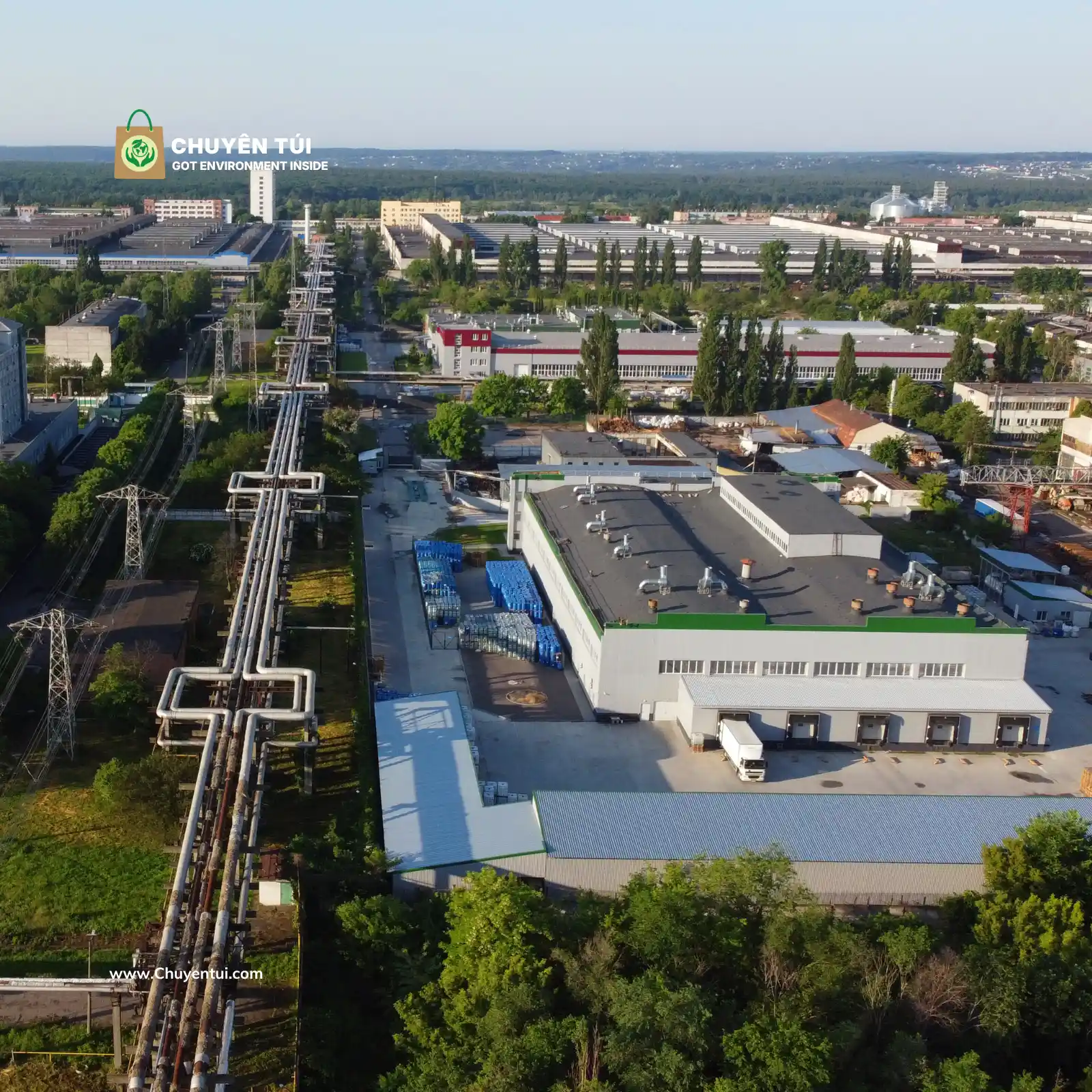
The Vietnam tote bag market has transitioned from a supporting role in the garment sector to a standalone export powerhouse. According to the Vietnam Textile and Apparel Association (VITAS), the broader industry achieved an export turnover of approximately USD 44 billion in 2024. To understand the current Vietnam bag market, one must look at the concentration of specialized manufacturing clusters in provinces like Long An, Binh Duong, and Bac Ninh. These regions have evolved from simple sewing shops into integrated production hubs capable of handling high-tech printing and complex material blends.
In reality, the Vietnam tote bag market is driven by more than just standard canvas totes. While “tote bag” is the primary search intent for international buyers, the demand on the factory floor covers a much wider spectrum. We have observed a massive surge in demand for non-woven polypropylene bags, particularly from large retail chains in the US and EU looking for high-volume, low-cost reusable packaging. According to VnPlast, these non-woven products often involve complex ultrasonic welding rather than traditional stitching, a technical transition that many factories in the vietnam bag market have successfully made to meet global environmental regulations.
Furthermore, the premium segment of the fabric bag market in Vietnam is seeing a rise in linen and jute fiber products. International boutique brands are moving away from basic cotton toward these textured, high-end natural fibers to justify higher retail price points. This diversification is a key part of the bag industry in Vietnam today. Buyers are no longer just looking for a “bag”; they are looking for a material story—whether it is recycled ocean plastic (rPET), GRS-certified canvas, or locally sourced linen. Research from Research and Markets highlights that sustainable packaging solutions in Vietnam are witnessing a growth surge as brands align with ESG commitments.
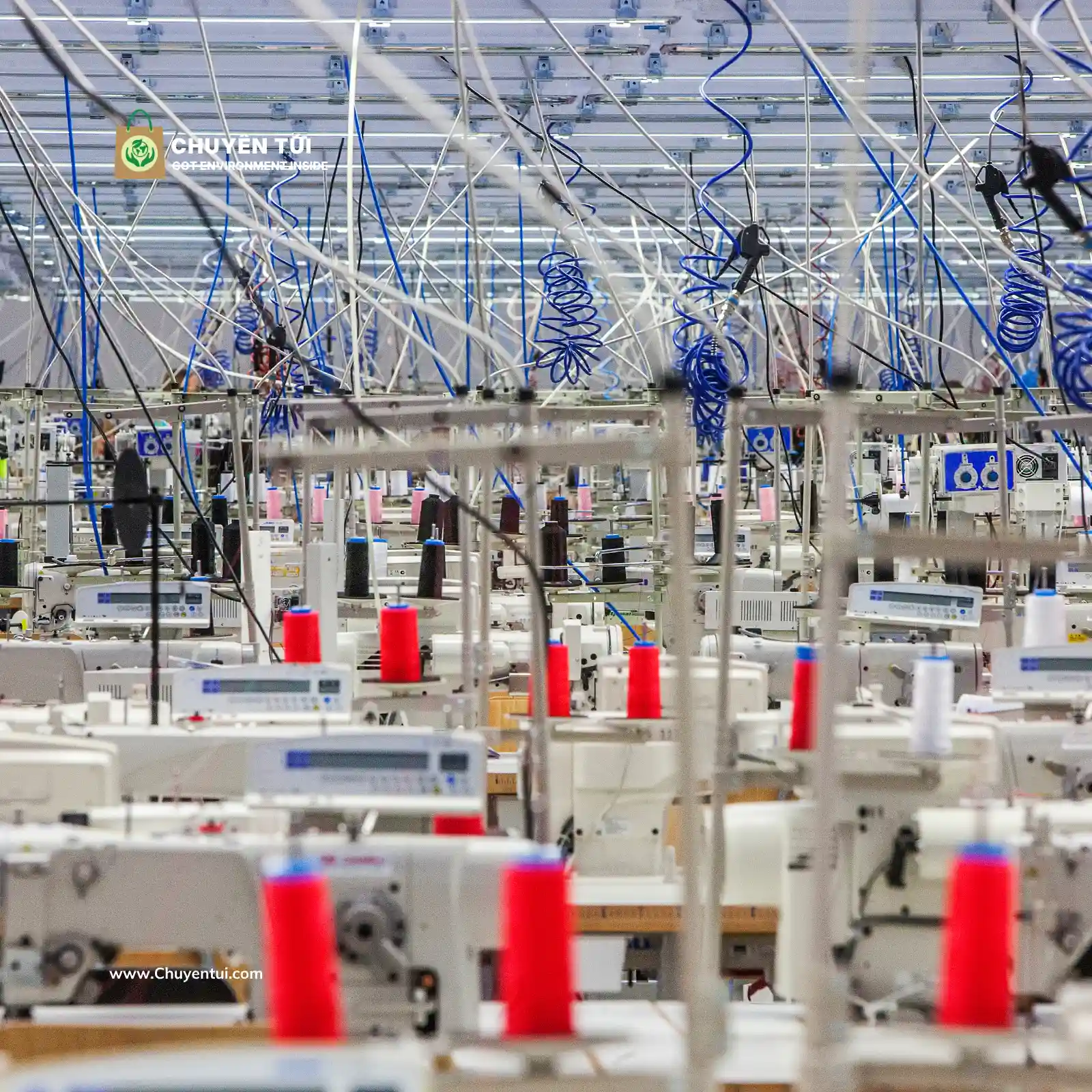
The sourcing reality in the Vietnam tote bag market also involves a shift toward “full-package” services (FOB). Unlike a decade ago, when buyers had to source fabric and trim separately, today’s tote bag manufacturer partners in Vietnam manage the entire supply chain. This includes everything from domestic weaving and dyeing to international logistics. This integration has reduced lead times and improved quality consistency, making the fabric bag market in Vietnam highly competitive against regional rivals. Our market demand analysis in Vietnam shows that this ability to provide a complete solution is why procurement teams are making long-term commitments to Vietnamese facilities. The market is maturing into a specialized ecosystem where material innovation meets production efficiency.
Comparative Material Analysis: Canvas Bag Market Vietnam vs. Other Fabrics
Understanding the material landscape of the fabric bag market Vietnam is essential for budgeting. We have consolidated our observations on the primary materials into a comparative analysis for sourcing teams.
| Material Type | Typical MOQ (Units) | Estimated Lead Time (Days) | Price Range (Low-High) | Best Use Case |
|---|---|---|---|---|
| Canvas (10oz – 12oz) | 500 – 1,000 | 30 – 45 | Medium – High | Premium Retail, Durable Merch |
| Cotton (5oz – 8oz) | 1,000 – 2,000 | 25 – 35 | Medium | Eco-promotions, Lightweight Totes |
| Non-Woven (80gsm) | 3,000 – 5,000 | 15 – 25 | Low | Mass Events, Grocery Retail |
| Recycled Canvas (GRS) | 1,000 + | 40 – 50 | High | Sustainability-focused Brands |
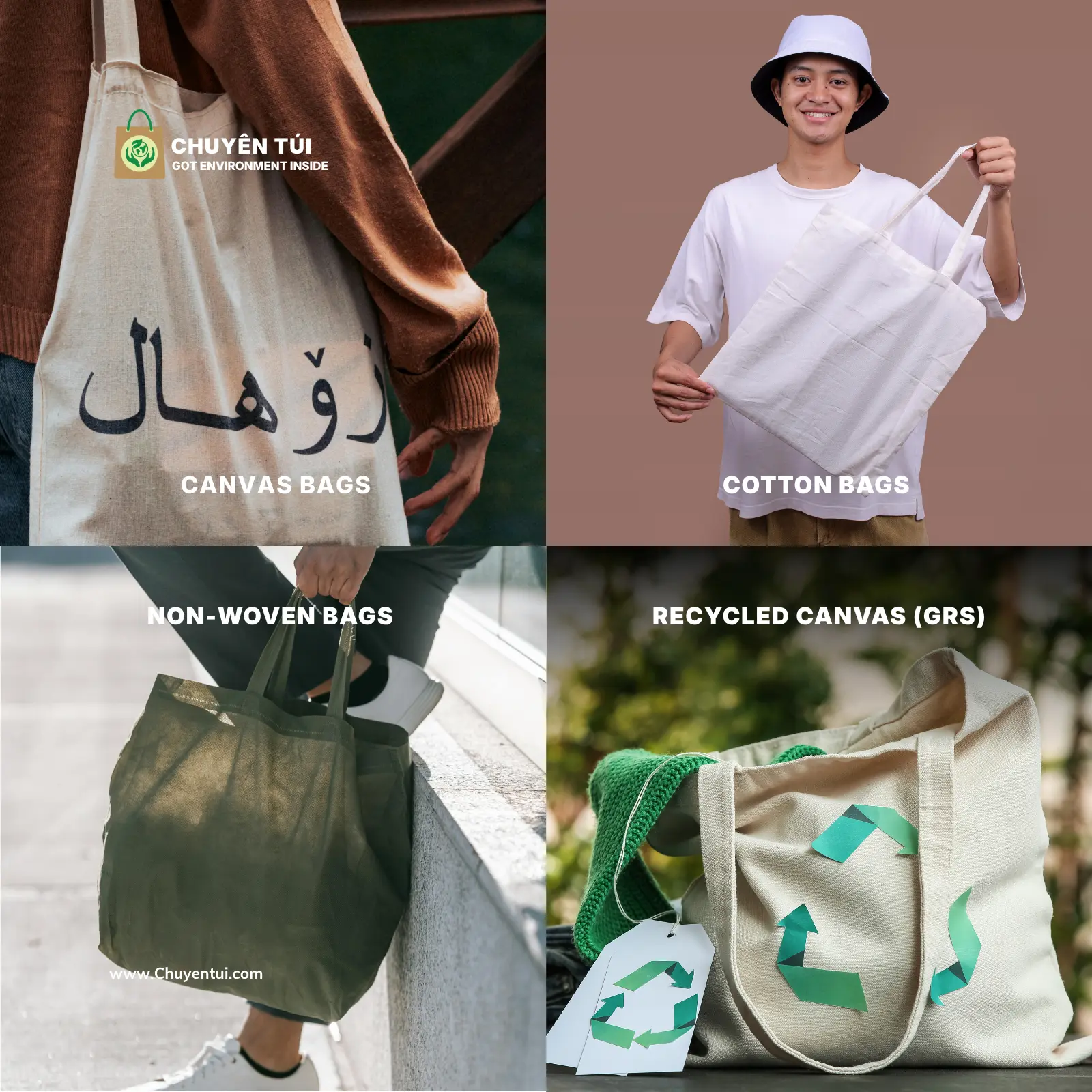
The canvas bag market in Vietnam remains the most mature segment. Most international brands favor 10oz canvas for its perceived value and print durability. However, we have observed an increasing shift toward recycled materials. As of 2024, more brands are asking for GRS-certified fabrics at the start of the sampling process, a trend highlighted in the State of Fashion 2024 report by McKinsey. For those new to the industry, understanding what a tote bag is? This is the first step toward choosing the right material for your brand’s specific needs.
Operational Realities: What Sourcing Managers Actually Ask
In our experience, the gap between a “good price” and a “delivered product” often lies in operational nuances. If you are exploring the Vietnam tote bag market for your next campaign, these are the practicalities you will encounter.

Sampling and Development
Sampling usually takes 7 to 14 days, depending on printing complexity. A common failure point in the tote bag market Vietnam is the “sampling trap.” This is where a factory produces a perfect handmade sample but lacks the machinery for consistent bulk output. We recommend verifying a factory’s automation capabilities early in the discussion. Understanding why tote bags are so popular today can help you design a product that balances aesthetic appeal with manufacturing feasibility.
Lead Times and Seasonality in the Vietnam Bag Market
Lead times for bulk bag manufacturing typically range from 30 to 45 days after deposit and sample approval. However, during the peak export season (Q3), these times can stretch by 2 to 3 weeks. Sourcing teams must plan for these cyclical fluctuations to avoid stockouts. This is especially true for the canvas bag market in Vietnam, where high-density fabrics may require longer dyeing and drying times during the monsoon season. Data from Euromonitor suggests that the reusable bag sector in Vietnam is growing at 8% to 10% annually, which increases competition for production slots.
Pricing and Inflation
The inflation impact on consumer goods has stabilized recently, according to the IMF, but raw material costs for cotton and petroleum-based non-wovens remain volatile. Procurement directors should look for partners who offer transparent pricing breakdowns, separating material, labor, and logistics costs.
Macroeconomic Factors: Labor and Policy Drivers
The economic foundation of the Vietnam tote bag market is currently undergoing a structural transformation. It is no longer just about the labor cost trends Vietnam; it is about the policy environment and trade agreements.
Labor Costs and Productivity
As of 2024, the average monthly wage for workers in the textile and bag sector ranges from USD 230 to USD 280, following regional minimum wage increases implemented by the Vietnamese government. While this is higher than in Cambodia or Bangladesh, the productivity and infrastructure in Vietnam often result in a lower total landed cost. The government’s focus on vocational training has created a more skilled workforce capable of handling complex OEM tote bag manufacturing requirements.
Trade Agreements and Tariffs
Vietnam’s participation in 22 free trade agreements, including the CPTPP and EVFTA, provides a significant tariff advantage for buyers in the EU. For US buyers, data from the Import-Export Department of Vietnam shows that bags exported to the US account for 30% to 35% of total category turnover, making the Vietnam tote bag market a reliable hedge against geopolitical volatility.
Strategic Shifts Shaping the Next 5 Years
The long-term market outlook Vietnam for fabric bags is shaped by regulation and technology. We expect the following four shifts to define the industry through 2030.
Mandatory Sustainability and Legislative Compliance
Eco-friendly production is transitioning from a voluntary trend to a mandatory legal baseline. The European Parliament’s 2025 approval of revised waste directives introduces Extended Producer Responsibility (EPR) schemes. For the Vietnam tote bag market, this means exporters must soon provide a “Digital Product Passport” (DPP) to verify material origins and chemical usage. This shift is clearly outlined in reports on Vietnam Sourcing by Vietnam Briefing.
We observe that brands delaying certification are already facing higher entry barriers in EU retail markets. Sourcing teams must prioritize factories that possess GRS or OEKO-TEX certifications. By 2027, the ability to track a bag from cotton farm to final stitch will be a non-negotiable requirement for global retail bag demand. This shift is driven by a move toward transparency in the textile accessory market vietnam.
High-Tech Manufacturing and Automation Integration
Automation is the primary response to the fading advantage of low-cost labor in Vietnam. The General Statistics Office (GSO) reports that the Industrial Production Index for manufacturing has shown significant growth in textile automation. In bag manufacturing, we see a rapid adoption of CNC laser cutters and automated sewing machines. This technology ensures the consistency required for bulk bag manufacturing at a scale that manual labor cannot match.
The transition toward “Smart Factories” is essential as labor cost trends Vietnam continue their annual climb. For a buyer, this shift means you should evaluate a factory’s machine inventory as closely as its price list. Facilities that integrate data-driven quality control will be the only ones capable of maintaining 30-day lead times. This trend is why some producers are now recognized among the top 8 Vietnam canvas bag manufacturers for global brands.
Diversification into Multi-Material Product Strategies
Global retail bag demand is moving away from single-product orders. Brands are now adopting a “family of products” strategy, mixing materials to cover different consumer touchpoints. A retail brand might source premium canvas tote bag manufacturer in Vietnam services for their flagship stores while using recycled non-woven bags for e-commerce packaging.
Data from Technavio indicates that premium segments are growing annually, outperforming mass-market synthetics. This shift reflects a more sophisticated consumer who understands the value of natural fibers like linen and jute. Factories that offer a versatile range of materials are becoming more valuable to sourcing teams. This multi-material approach is essential for the long-term market outlook Vietnam.
Vietnam as a Strategic Anchor Node
Vietnam is solidifying its role as a strategic anchor rather than a temporary backup. Seaport throughput in Vietnam has increased year-on-year, supported by investments in deep-water ports like Cai Mep. This infrastructure ensures that the Vietnam tote bag market is connected to global shipping lanes with increasing efficiency.
The “China Plus One” framework has matured into a permanent regional diversification strategy. With 22 free trade agreements, Vietnam offers a structurally sound environment for the Vietnam bag market. For global sourcing directors, this means that partnering with a Vietnamese factory is no longer a tactical move but a long-term commitment to a hub with growing geopolitical and economic weight, as noted by World Bank/ADB analysis.
| Strategic Metric | 2023-2024 Actuals | 2025-2030 Projections | Impact on Sourcing |
|---|---|---|---|
| Export Turnover (Garments) | USD 44 Billion | USD 64.5 Billion (by 2030) | Scale capacity will increase significantly. |
| Average Monthly Wage | USD 230 – 280 | USD 320 – 350 | Expect 6-9% annual labor cost increases. |
| Sustainability Focus | Voluntary / Trend | Mandatory (EPR, DPP) | Certification is now a requirement. |
| Material Diversity | Cotton/Canvas Dominant | Linen/rPET/Non-woven Mix | Multi-product strategy is key. |
From Intelligence to Action in the Vietnam Tote Bag Market
The Vietnam tote bag market remains one of the most viable sourcing destinations globally. Success depends on moving past macro statistics and focusing on operational transparency, material certification, and technical capability. As the industry moves toward 2030, the winners will be the brands that treat their manufacturers as strategic partners.
Understanding the landscape of the Vietnam bag market is your first step toward a successful sourcing partnership. By analyzing the long-term market outlook Vietnam and aligning with material trends, you can build a resilient supply chain.
Ready to Evaluate Your Sourcing Strategy?
If you are looking for a partner with direct factory-floor expertise and a proven track record with international brands, contact Chuyen Tui today for a detailed consultation or a quote on your next project.

